
Reframing the story of public education both locally and nationally takes more than better talking points. It requires a deeper understanding of how people form beliefs, why they cling to them and what actually opens the door to new ways of thinking. In an era when misconceptions about schools spread quickly and trust can be fragile, the ability to change minds (including your own) is a core leadership skill. That’s why we’re sharing four of our favorite books about influence, connection and rethinking. These reads offer practical ways to move conversations beyond defensiveness and toward genuine understanding, no matter the issue at hand. Happy reading—and reframing.

The Catalyst: How to Change Anyone’s Mind by Jonah Berger
It’s no secret that we’re big fans of Jonah Berger; he’s been a guest on our podcast as well as a multi-time speaker at our annual conference. We come back to his books again and again not just because they’re accessible, engaging reads, but because they uncover how communication works at a psychological level. In his bestseller The Catalyst, Berger argues that the way to change minds is not to push and persuade, but to remove the roadblocks preventing people from shifting their perspective. He offers strategies for tearing down major barriers to change, from inertia to emotional distance to uncertainty. “Rather than asking what might convince someone to change,” he writes, “catalysts start with a more basic question: Why hasn’t that person changed already?” Asking why your district’s critics haven’t already come around on your schools may just be the key to winning them over.
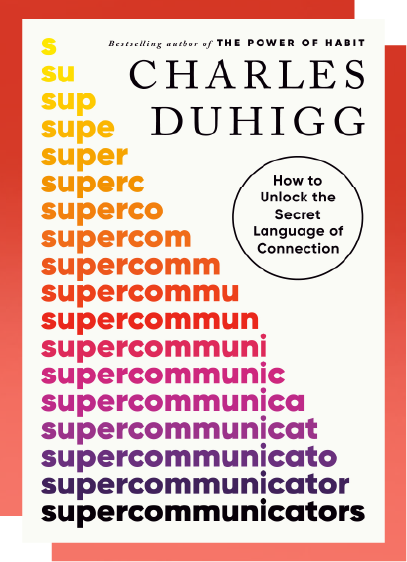
Supercommunicators: How to Unlock the Secret Language of Connection by Charles Duhigg
Have you ever known someone who can connect with just about anybody? These people are what author and journalist Charles Duhigg calls “supercommunicators,” and while their social skills may seem innate, he argues that anyone can learn them. Through examples of real-life supercommunicators—from an FBI agent to a CIA recruiter to a pediatrician—Duhigg teaches readers how to make their conversation partners feel heard and understood: by matching their energy, asking better questions, looping for understanding and working to find common ground. As he reveals, these techniques don’t just foster greater closeness; they can even make people more open to changing their minds. (For more thoughts from Charles Duhigg, check out our Q&A with him.)
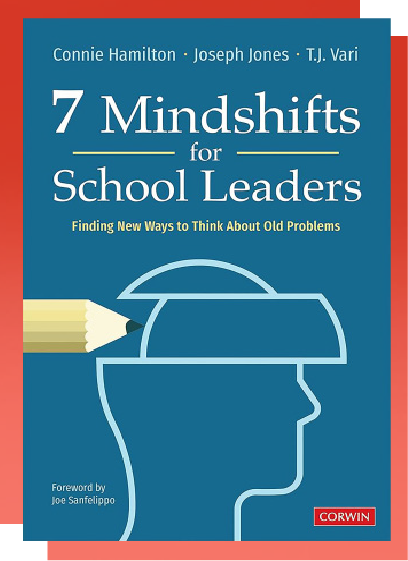
7 Mindshifts for School Leaders: Finding New Ways to Think About Old Problems by Connie Hamilton, Joseph Jones and T.J. Vari
If you’ve been in education for a while, you know that some challenges feel insurmountable. In 7 Mindshifts for School Leaders, the authors—all current or former public school administrators—argue that issues with literacy, equity and teacher retention persist not because they’re unsolvable, but because we aren’t viewing them as the urgent crises they are. Using mental models that have seen success in the private sector, this book empowers readers not just to manage the symptoms of recurrent problems, but to attack them at the source. By viewing the same old challenges through these new lenses, you’re more likely to land on fresh, creative ways to solve them once and for all.

Think Again: The Power of Knowing What You Don’t Know by Adam Grant
“Intelligence is traditionally viewed as the ability to think and learn,” writes organizational psychologist Adam Grant in his bestselling book Think Again. “Yet in a turbulent world, there’s another set of cognitive skills that might matter more: the ability to rethink and unlearn." As Grant readily admits, rethinking our views is uncomfortable; doing so often challenges our very identities. But developing mental flexibility—the ability and willingness to change our minds when there's a compelling reason to do so—empowers us to be better friends, family members, decision-makers and leaders.Think Again begins by helping readers develop mental flexibility for themselves, but later chapters address how to help others open their minds to new ideas and even how to build cultures of rethinking in communities or organizations. It’s a must-read for school leaders who are ready to reexamine their own long-held habits and beliefs—or who want to help their communities rethink the value of public schools.