
When NASA launched the Hubble Space Telescope in April 1990, nobody knew it had a major flaw—that is, until its first images came back. As it turned out, the telescope’s primary mirror had been ground to the wrong shape by two micrometers, less than the width of a human hair. The tiny imperfection made a world of difference. The first images—promised to be 10 times sharper than any ground-based observatory could capture—came back blurry.
But luckily, unlike any of its predecessors, Hubble wasn’t designed to be launched and then left alone. NASA had always intended it to be repaired and maintained in space. So in 1993, astronauts aboard the Space Shuttle Endeavor embarked upon the first “servicing mission” to the space telescope, installing corrective optics to counteract the flaw in the mirror.
Between 1993 and 2009, NASA astronauts made a total of five servicing missions to maintain Hubble, replacing gyroscopes, upgrading cameras and swapping out instruments. Every iconic Hubble image you’ve ever seen, from the Crab Nebula to the Pillars of Creation, was made possible by those missions. They’ve also drastically extended the telescope’s lifespan. While Hubble was initially estimated to last about 15 years, it celebrated its 36th birthday this April and shows no signs of slowing down. Of course, the servicing missions never made the news the way the initial launch did. But without them, Hubble’s decades of discovery would never have been possible.
For your schools, the summer months are a great opportunity for your own servicing mission. Maybe, like Hubble in its first few years, your district needs a major vision adjustment. Maybe your strategy just needs a few slight repairs. This maintenance work isn’t flashy, and it probably won’t make headlines—but it’s a crucial part of building a district that will stay successful for decades into the future.
/)
A new Hubble image of spiral galaxy Messier 88, released by NASA May 29, 2026. (ESA/Hubble)
One question for you
What “servicing mission” will you embark on this summer—and what will it make possible?
Email us at editor@schoolceo.com to let us know! We read every response, and your answers help shape future SchoolCEO content.
Two resources to help
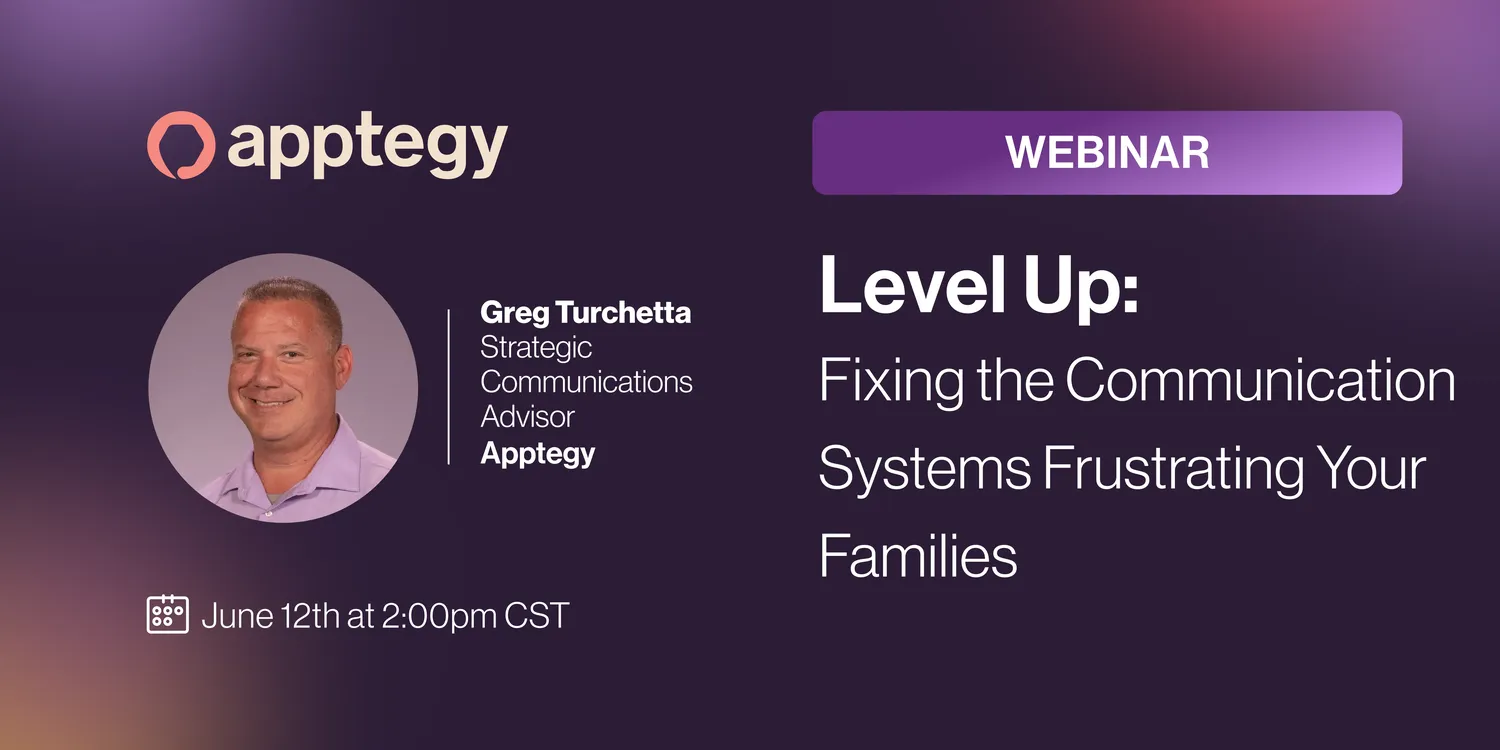
Most districts are still running on systems built for a different era even as school choice, social media, and chronic absenteeism have raised the stakes. Does yours need an update? Join Strategic Communications Advisor Greg Turchetta Friday, 6/12 at 2 p.m. Central as he discusses how to fix the communications systems frustrating your families. He’ll explore why those legacy systems are failing—and what a shared language and a structured path forward look like. Register for the webinar here.
Summer is also the perfect time to consider the state of your district brand. Our Summer 2025 issue “On Brand” has everything you need, whether you’re thinking about a full rebrand or just some minor maintenance.
Three ideas to get you thinking
“The willingness to do the unsexy work is a competitive advantage.” —James Clear, bestselling author of Atomic Habits
According to new research from Gallup, only 18% of K-12 teachers say they’ve received formal guidance on how to use AI at work. This echoes SchoolCEO’s own research, in which 38% of central office leaders cited “lack of clear policies and guidelines” as the biggest challenge they anticipate facing in regards to AI. Sounds like a servicing mission worth pursuing!
Given the new deadlines for compliance with ADA Title II, you may be focusing on digital accessibility this summer. This is a huge, stressful undertaking, no doubt, but don’t forget why you’re doing it. As accessibility expert Dr. Natalie Shaheen told us, “You can’t provide equitable education unless and until all of the digital technologies and instructional materials you use are accessible to all your students.” (For more tips on making ADA compliance manageable, check out this article or this webinar.)